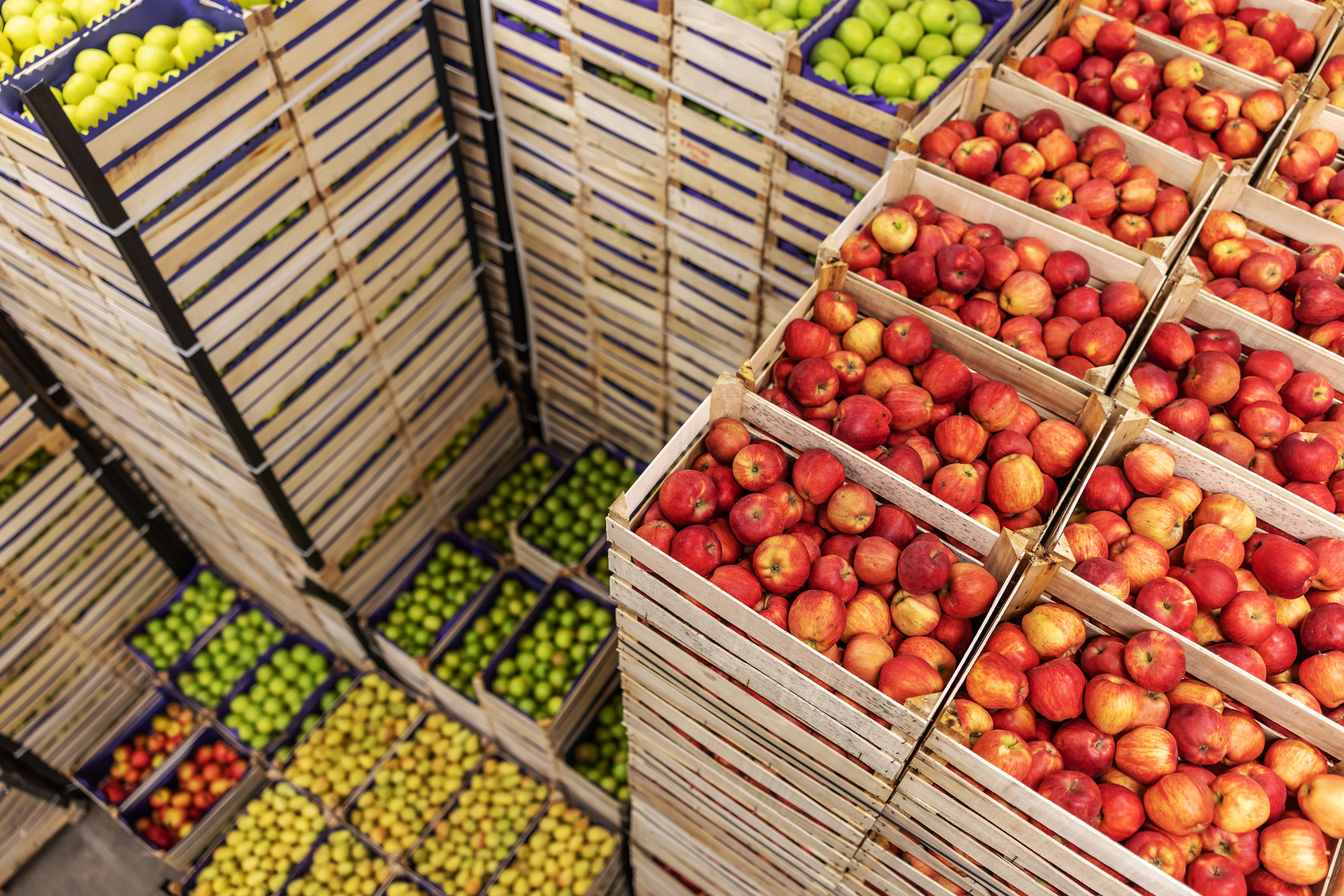
Harvesting opportunity: Exporting agri-food products from B.C.
For many B.C. agri-food businesses, growth doesn’t necessarily mean planting more acres, adding more livestock or increasing production. Sometimes, growth means finding new customers in new markets.
Whether you’re producing specialty foods, value-added products, beverages or agricultural commodities, exporting can help diversify revenue, reduce reliance on a single market and create new opportunities for long-term growth. At a time when rising costs, market uncertainty and shifting consumer demand are putting pressure on businesses, expanding outside B.C. can be an important strategy for building long-term resilience.
The opportunity is significant. Global demand for high-quality food products continues to increase, particularly for products that emphasize quality, traceability, sustainability and food safety — areas where Canadian and B.C. producers are well-positioned to compete.
But exporting agri-foods is different from exporting many other products. Success requires planning, regulatory compliance and a clear understanding of your target market.
Why B.C. agri-food businesses are looking outside Canada
For many agri-food businesses, growth eventually means looking outside local and provincial markets.
Exporting helps businesses:
- Access larger customer bases
- Diversify revenue streams
- Reduce reliance on a single market
- Increase production volumes
- Support investment in equipment, innovation and product development
Trade agreements such as Canada-United States-Mexico Agreement (CUSMA), Canada-European Union Comprehensive Economic and Trade Agreement (CETA) and Comprehensive and Progressive Agreement for Trans-Pacific Partnership (CPTPP) have also created opportunities for Canadian exporters by reducing barriers and improving market access in many countries.
For businesses producing specialty foods, premium ingredients, beverages and value-added agricultural products, international markets can often provide access to consumers who are willing to pay more for high-quality Canadian products.
Before you export: Are you market-ready?
One of the most common misconceptions about exporting is that success starts with finding a buyer. Successful exporters typically start by preparing their business first.
It begins with research and planning before pursuing new markets. That includes understanding where your product fits, developing a sales and marketing strategy, and assessing whether your business has the capacity to meet increased demand.
Ask yourself:
- Can you consistently meet larger orders?
- Do you understand your production costs and margins?
- Is your packaging suitable for export markets?
- Do you have the staffing and operational capacity to grow?
Exporting can create significant opportunities, but only if your business is prepared to deliver consistently and profitably.
Understanding food export regulations
Agri-food exports are subject to some of the most complex regulations of any industry.
Requirements vary depending on both the product and the destination market, but exporters may need to address:
- Food safety requirements
- Export licences and permits
- Packaging requirements
- Product certifications
- Traceability systems
- Export certificates and supporting documents
According to the Canadian Food Inspection Agency (CFIA), agri-food exporters need compliant products, food safety controls, traceability procedures and appropriate documentation before exporting. Depending on the product and destination country, additional certification requirements may also apply.
For many businesses, navigating these requirements is one of the biggest barriers to entering new markets.
Research your market before you sell
Not every market is right for every product.
Consumer preferences, regulations, distribution channels and competition can vary significantly from one country to another.
Before investing in a new market, consider:
- Who is your target customer?
- What competing products already exist?
- What price point will the market support?
- Are there cultural or dietary considerations?
- What import requirements apply?
Market research can help agri-food businesses identify opportunities while avoiding costly mistakes.
In some cases, a neighbouring province or the U.S. may be the logical first export market. In others, demand may be stronger in Europe or Asia for products that emphasize sustainability, premium quality or Canadian origin.
Funding and support for export growth
The good news is that B.C. businesses don’t have to manage exporting alone.
Programs such as the B.C. Agriculture and Food Export Program provide cost-shared funding to help eligible B.C. agriculture, food, beverage and seafood businesses undertake market development activities outside the province.
The program is designed to help businesses increase sales, reduce market risk and diversify export markets. Its funding may support activities like market research, trade shows and buyer missions, export readiness activities, marketing and promotion, and business development initiatives.
Combined with guidance from industry experts and advisors, these programs can help reduce the cost and risk associated with entering new markets.
How Export Navigator can help
Exporting agri-food products involves more than just simply finding customers. Businesses need to understand regulations, identify the right markets, build export plans and connect with trusted partners.
Export Navigator’s Export Advisors provide free, one-on-one support to help B.C. businesses manage the process.
Whether you’re exploring your first export market or expanding into additional countries, an Export Advisor can help you:
- Assess export readiness
- Identify target markets
- Understand regulatory requirements
- Connect with funding and support programs
- Build an export strategy
- Avoid common pitfalls
————————————————————————————————————————————————————————————————————
New to exporting? Start here.
Exporting agri-food products comes with unique considerations, from food safety requirements and labelling rules to transportation, documentation and market selection. Export Navigator’s free Preparing to Export Agri-foods e-course introduces the export process and helps businesses understand the key steps involved in entering new markets.
The course covers market selection, regulations, transportation options, and available support programs.
————————————————————————————————————————————————————————————————————
Global demand for safe, high-quality Canadian agri-foods continues to create opportunities for B.C. agri-food businesses. With the right preparation, research and understanding of regulations, exporting can become a powerful driver of long-term growth.
Ready to explore new markets? Connect with an Export Advisor to learn how to grow your business beyond B.C.