
An export plan wouldn’t be complete without a marketing strategy tailored to your new market. It should take into account the target market’s key economic, social and cultural characteristics.
Describe your ideal customer in this market – how do they make purchasing decisions? What are their buying patterns? Doing market research will answer these questions and inform an effective marketing strategy.
Your export marketing strategy serves as your value proposition. It’s your chance to create a connection with your new customers and convey the quality of your product or service. One of the most common ways to do this is by customizing your online presence. Today, we’ll cover social media and website marketing for exporters. This blog topic and content is based on a previous webinar hosted by Export Navigator and presented by Tiny Planet Digital, called “Digital Marketing for Exporters.”
Social media around the world
Organic social media (free content shared online, without paid promotion) is a useful tool to get people acquainted with your brand. According to Statista, 91.9% of U.S. marketers will use social media for marketing purposes. East Asia boasts the world’s highest social media penetration at 71%. This makes social media a very valuable marketing tool for reaching a variety of audiences.
Awareness of cultural preferences is a key part of developing new marketing materials. Your goal is to blend in seamlessly with the marketing tactics in your target market. That way, potential customers can identify with your branding. Using East Asian markets as an example, we’ll see how digital marketing in another part of the world compares to marketing in B.C.
WeChat, Weibo, or Douyin?
Social media is certainly ubiquitous in most markets, but not every country has Facebook or Instagram as their top choice platform. In China, WeChat is by far becoming the most popular multi-purpose social media platform. A noteworthy stat is that 86% of WeChat users are between 18 and 35 years old, which is also the age group that is driving most of China’s consumption growth. WeChat shares similarities with Facebook, and also has integrated many e-commerce features. It is one of the best options for increasing brand awareness in the Chinese market.
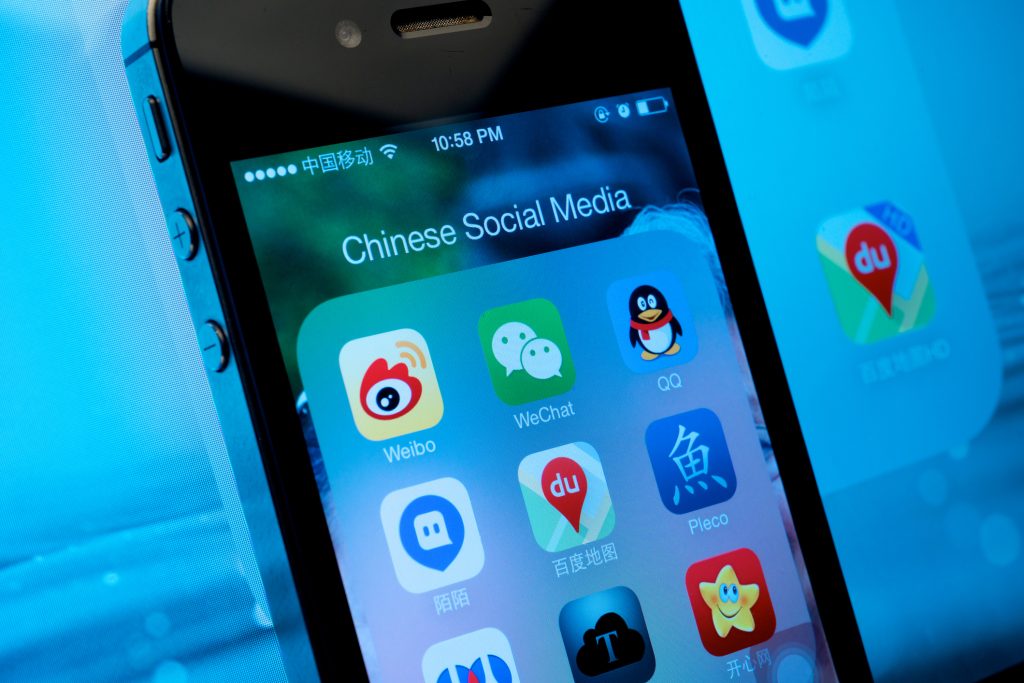
You might be asking, “What about my Canadian branding? Do I combine that with my new market’s branding or should I create multiple new profiles for each market?” Many large companies have regional-specific sites or social media pages for international customers. However, given the limitations for small businesses, that isn’t always possible. No matter how big or small the change, making an effort to localize content shows you’re accommodating your new customers. This article on Social Media Examiner is a great guide on how to cater to specific regions while maintaining an overall brand identity.
Cultural differences in website design
Having a high quality website is another essential part of getting your business export ready and establishing credibility in your market. To accommodate your new customers, consider creating a separate site or landing page dedicated to your new market.
Cultural preferences permeate website design. Two ways to ensure your marketing is culturally relevant are to be observant, and exercise caution. Being observant can tell you a lot about the dos and don’ts in business, whether you’re at a trade show in a foreign country or researching how other companies market in that region.
Yahoo is one company that has region-specific site layouts. You might notice from the image below that Yahoo Japan is visually more cluttered and text-heavy compared to Yahoo’s design in Canada. There are several explanations as to why many East Asian website layouts are so busy and full of links. In one interview with CNN correspondent Kristie Lu Stout, she says the Chinese online consumer expects the same experience of shopping in person at a market or bazaar – often overstimulating and making use of all available space.
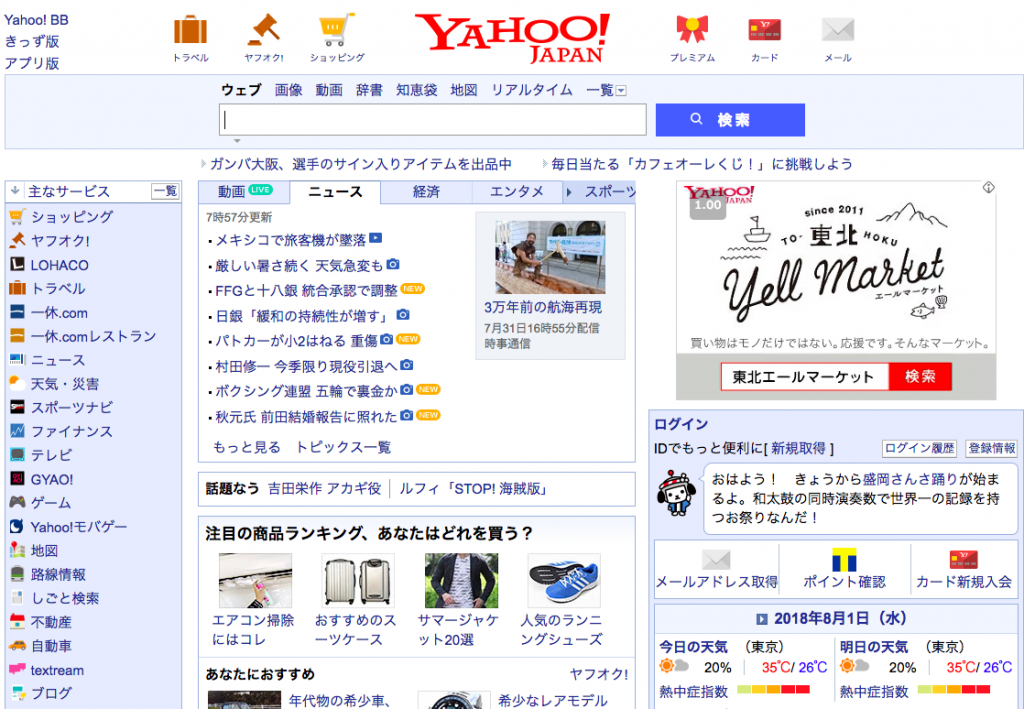
Secondly, being cautious is necessary when making marketing decisions. Colour and symbolism may be interpreted differently across cultures, so it’s important to know what design elements you should use and avoid as part of your localization strategy. A guide from Market Finder on Google explains, “White in Western countries is used for weddings; in China it is used in funerals. Red is a high prestige colour in India, whereas in the United Kingdom it is purple, and in China it is yellow.”
Making a good first impression in your new market starts with how you present your brand. Being considerate of cultural differences in both social media and website design will determine how well you connect with your audience.
Learn more about exporting
Looking for more in-depth, introductory exporting content? We periodically host webinars on a wide range of exporting topics – stay tuned to our event page for the next one! You can also sign up for our newsletter and be the first to know when our free seminars are available.